
How to Choose the Best Cordyceps Extract Supplier?
Choosing the right Cordyceps Extract supplier requires more than comparing prices or reading polished product descriptions. A reliable supplier should explain the species used, cultivation method, extraction process, and testing standards. Cordyceps militaris and Cordyceps sinensis are not interchangeable, yet some product pages make that distinction difficult to find. That should raise questions.
Look for clear certificates of analysis, batch numbers, heavy metal results, microbial testing, and active compound measurements. Ask whether the extract is water-based, alcohol-based, or produced through another documented method. The extraction process can influence both composition and application. A serious supplier should also provide traceability from raw material to finished powder. Site audits, GMP-related procedures, and independent laboratory testing offer stronger evidence than attractive packaging.
Details matter.
In practical supplier evaluations, communication often reveals more than marketing language. Can the company answer technical questions quickly and consistently? Does it explain testing limitations instead of promising perfect results? I have learned that a confident sales presentation is not enough. Even experienced buyers can overlook species verification or confusing ratio claims. Therefore, this guide will examine supplier qualifications, product transparency, quality control, documentation, pricing, and long-term reliability. It will not treat every laboratory report as unquestionable proof. Reports need context, recent dates, and matching batch information. The best supplier is not always the cheapest or most established name. It is the partner that shares verifiable evidence, acknowledges uncertainty, and supports responsible product development.
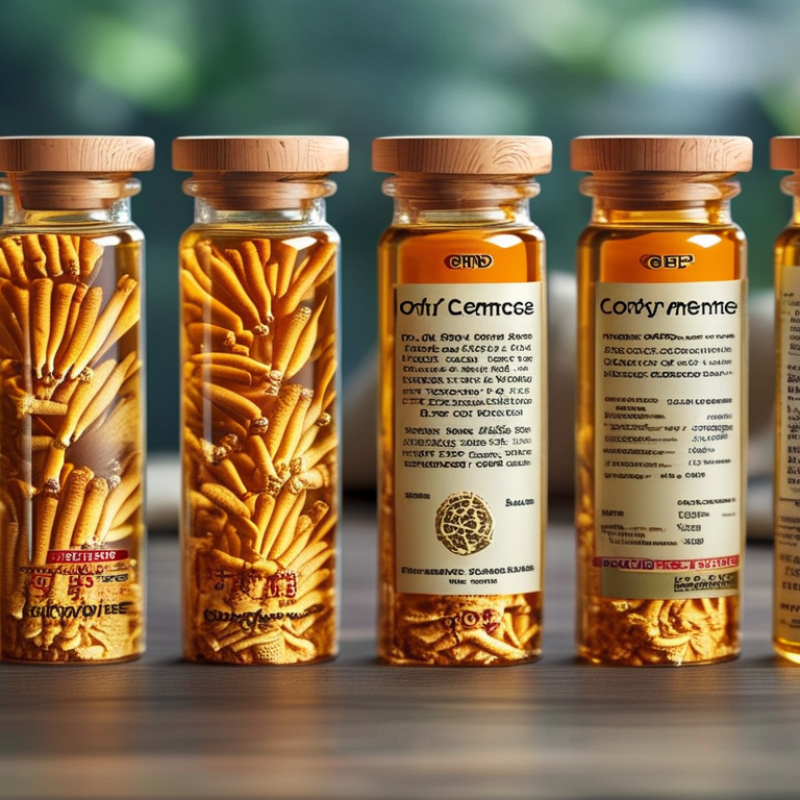
Define Cordyceps Extract Types, Uses, and Quality Standards
Choosing a Cordyceps extract supplier starts with defining the material. Cordyceps militaris fruiting-body extract differs from mycelial biomass and fermented culture. Their chemical profiles may not match. Hot-water extracts usually emphasize polysaccharides. Ethanol or dual extracts can recover more lipophilic compounds. Cordycepin and adenosine are useful markers, but they do not prove overall quality. A 2023 Journal of Fungi review reported substantial variation in these compounds among species, cultivation methods, and extraction processes.
Use claims also need discipline. Traditional products commonly support energy, immune function, or exercise recovery. Human evidence remains uneven. A 2024 review in Nutrients found promising findings, but it also noted small samples and inconsistent preparation methods. That matters. A supplier should provide a precise botanical name, extraction ratio, solvent, plant part, and intended use. “Premium extract” says little.
Quality standards should be visible in documents, not only brochures. Look for identity testing, microbial limits, heavy-metal testing, pesticide screening, and residual-solvent results. ISO 22000 supports food-safety management, while GMP guidance from the World Health Organization supports controlled production and traceability. Ask for batch-specific certificates of analysis. Verify the laboratory and test methods. One HPLC result is not enough. I would also question unusually high cordycepin values, because concentration claims can hide dilution, enrichment, or testing differences. Mistakes happen, even with serious suppliers. Reliable sourcing requires checking the details twice.
How to Choose the Best Cordyceps Extract Supplier? - Define Cordyceps Extract Types, Uses, and Quality Standards
| Evaluation Dimension | Extract Type or Requirement | Typical Characteristics | Common Applications | Supplier Verification Points |
|---|---|---|---|---|
| Biological Source | Cordyceps militaris fruiting body | Cultivated fruiting bodies can contain cordycepin, adenosine, polysaccharides, proteins, and other metabolites. Levels vary with strain and cultivation conditions. | Botanical supplements, functional foods, capsules, powders, and beverage formulations. | Request authenticated species identification, cultivation records, lot traceability, and a current certificate of analysis (CoA). |
| Biological Source | Cordyceps mycelium or fermented biomass | Produced through controlled fermentation. The nutritional profile depends on the strain, culture medium, and downstream processing. | Powdered supplements, tablets, extracts, and fermentation-based functional products. | Confirm whether the specification covers mycelium, culture medium residues, or both; review fermentation controls and identity testing. |
| Extraction Method | Hot-water extract | Water-soluble compounds, including many polysaccharide fractions, are preferentially extracted. The final profile depends on temperature, time, and concentration. | Tea powders, drinks, water-dispersible powders, and general wellness formulations. | Check the extraction ratio, solvent details, carrier materials, moisture, solubility, and batch-to-batch consistency. |
| Extraction Method | Ethanol or hydroalcoholic extract | Can concentrate less-polar constituents that are not efficiently recovered by water alone. Residual solvent control is essential. | Capsules, softgels, tinctures, and formulations designed around lipid-soluble or less-polar constituents. | Request solvent-residue testing, documented solvent specifications, and confirmation that the process complies with applicable regulations. |
| Extraction Method | Dual extract | Combines water and alcohol extraction steps to obtain a broader chemical profile than a single-solvent process. | Premium capsules, blended mushroom formulas, and products requiring broader extract coverage. | Verify the sequence of extraction, solvent ratios, concentration factor, and analytical results for each claimed marker. |
| Chemical Standardization | Polysaccharides | A broad group of carbohydrate polymers; test results depend strongly on the analytical method and reference standard used. | General extract specifications and water-dispersible formulations. | Ask for the assay method, calibration standard, reporting basis, and whether results are expressed on a dry-weight basis. |
| Chemical Standardization | Cordycepin and adenosine | Naturally occurring nucleoside-related compounds used as identity or standardization markers; concentrations vary by species, strain, and process. | Marker-based extracts and products requiring a defined analytical profile. | Prefer validated HPLC or equivalent chromatographic testing with a defined acceptance range and representative chromatograms. |
| Purity and Safety | Microbiological quality | Testing commonly includes total aerobic microbial count, yeast and mold, and specified pathogens such as Salmonella and Escherichia coli. | All oral products, especially powders and ready-to-use ingredients. | Use written limits appropriate to the destination market and request results from an independent or suitably qualified laboratory. |
| Purity and Safety | Heavy metals | Lead, cadmium, mercury, and arsenic may be evaluated because mushrooms and growing substrates can accumulate environmental contaminants. | All supplement and food ingredient applications. | Request ICP-MS or equivalent results, specify whether arsenic is total or inorganic, and apply destination-country limits. |
| Purity and Safety | Pesticides, mycotoxins, and residual solvents | Risk depends on cultivation, raw materials, processing, and solvent use. Limits are set by applicable food or supplement regulations. | Products intended for regulated retail markets and export. | Require a risk-based testing plan, documented methods, detection limits, and results linked to the supplied lot. |
| Manufacturing Standard | GMP-based production | Good manufacturing practice supports controlled procedures for sanitation, documentation, materials, processing, packaging, and release. | Commercial dietary supplements and food ingredients. | Review the applicable GMP certificate, audit scope, quality agreement, deviation handling, and product-release process. |
| Documentation | Lot-specific certificate of analysis | A complete CoA should identify the product and lot and report specifications, methods, results, and release status. | Every purchased production batch. | Match the CoA lot number, production date, test date, laboratory details, and specification version to the shipment. |
| Commercial Fit | Stability, packaging, and supply capacity | Moisture, oxygen, light, heat, packaging materials, storage conditions, and shelf-life studies influence product quality during distribution. | Long-term ingredient supply, private-label products, and international distribution. | Request accelerated or real-time stability data, recommended storage conditions, minimum order quantity, lead time, and change-notification procedures. |