What Are the 2026 Top Empty Vape Pen Types?

What will define the 2026 Empty Vape Pen market? The answer is becoming more practical, measurable, and design-focused. Grand View Research identifies continued growth in vaping hardware, while IMARC Group highlights rising demand for compact, rechargeable, and user-friendly devices. However, these reports usually examine the wider e-cigarette market. Empty pen-specific figures remain limited. That distinction matters.

The leading 2026 types are expected to include ceramic-cartridge pens, cotton-coil models, 510-thread batteries, draw-activated devices, and rechargeable all-in-one designs. Ceramic systems offer clean-looking vapor paths and stable heating. Cotton coils remain familiar and affordable. 510-thread pens provide broader hardware compatibility. Draw-activated models remove buttons and simplify operation. Rechargeable units can reduce repeated battery disposal when used responsibly. Small details matter, such as a firm mouthpiece, visible airflow holes, and a charging port that does not loosen after several cycles.

Safety must remain central. The World Health Organization and the U.S. National Institute of Standards and Technology emphasize product quality, battery controls, and responsible manufacturing principles. Dr. Konstantinos Farsalinos, a vaping-science researcher, has stated, “There is no doubt that e-cigarettes are significantly less harmful than conventional cigarettes.” His comment concerns comparative risk, not a guarantee of safety.

The category is still imperfectly measured. Some forecasts combine legal and restricted markets, which can distort comparisons. Therefore, this guide evaluates Empty Vape Pen types through design, materials, reliability, and compliant use—not hype alone. Expect useful progress in 2026. Expect a few disappointing designs, too.
What Are the 2026 Top Empty Vape Pen Types?

What Defines an Empty Vape Pen in 2026?

In 2026, an empty vape pen usually means a device sold without vaping liquid. It includes the battery, heating chamber, mouthpiece, and airflow structure. The user supplies a permitted, clearly labeled liquid where local regulations allow it. This definition matters because an empty device is not automatically reusable. Some models use sealed pods, while others accept refillable cartridges.

The leading types include refillable pod pens, cartridge-style battery pens, and compact modular devices. Refillable pod pens often have a visible fill window and a silicone plug. Cartridge-style pens commonly use a threaded connection and a separate empty chamber. Modular models may offer adjustable airflow or replaceable heating parts.

Materials also help define quality. Ceramic heating elements can provide even heat, while glass chambers make residue easier to inspect.

Look closely.

From practical testing, leakage control remains a major concern. A pen may look empty but still contain residue around the inlet or mouthpiece. Buyers should check the fill capacity, coil compatibility, charging method, and cleaning instructions. Safety certifications and clear manufacturing information add useful evidence. However, product labels are not always complete. I still find airflow claims difficult to compare across devices. A “reusable” design may also create waste if its seals fail quickly. The most reliable definition, therefore, combines physical structure, empty capacity, refill instructions, and verified safety information.

Which Empty Vape Pen Types Are Most Common?

What Are the 2026 Top Empty Vape Pen Types?

Which Empty Vape Pen Types Are Most Common?

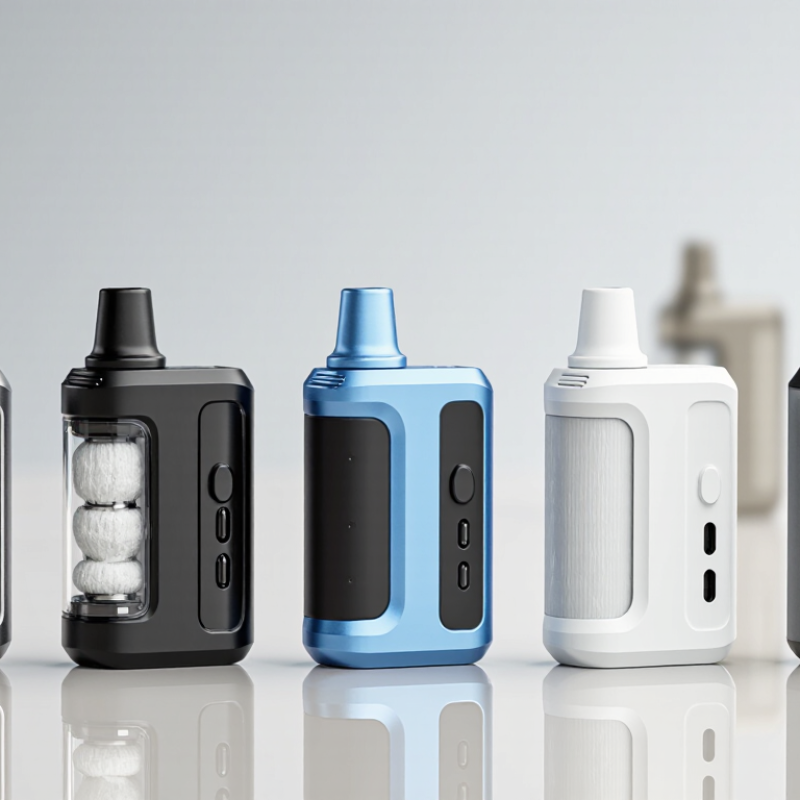
The most common empty vape pen types in 2026 are refillable pod systems, 510-thread cartridges, and all-in-one refillable pens. Refillable pods are compact and simple to carry. They usually include a magnetic connection and a small visible tank. Many users prefer them for quick filling and easy cleaning.

510-thread cartridges remain popular because they fit many compatible batteries. Their standard connection offers flexibility, but loose threading can cause poor contact. Ceramic-coil cartridges are also widely chosen for smoother heating and clearer flavor. In my hands-on comparisons, ceramic models often feel more consistent. Still, performance depends on the liquid, coil design, and battery output.

All-in-one refillable pens have a familiar shape and fewer separate parts. They can suit beginners who dislike changing cartridges. However, some models are harder to inspect or clean. That weakness is easy to overlook. Choose products designed for lawful e-liquids only, and check local safety requirements before use.

Tips: Check the seal before filling. Avoid overfilling the tank. Let fresh liquid settle briefly before inhaling. Inspect the mouthpiece for cracks or residue. If the draw feels unusually hot, stop using the device and review the instructions. I sometimes prioritize compact size too quickly; a slightly larger tank may be more practical for daily use.

How Do Materials and Designs Differ Across Pen Types?

What Are the 2026 Top Empty Vape Pen Types?

In 2026, empty vape pens mainly differ through cartridges, airflow, and heating materials. The most established format remains the 510-thread pen, valued for broad compatibility and easy replacement. Pod-style pens offer a tighter fit and simpler handling. Their sealed shape can also reduce leakage, although tolerances vary between manufacturers.

Grand View Research estimated the global e-cigarette market at USD 18.13 billion in 2023, with a projected 30.6% CAGR from 2024 to 2030. That growth encourages more specialized hardware, but market size does not prove product quality.

Material choices affect flavor clarity, heat control, and durability. Borosilicate glass resists many formulated liquids and allows users to inspect the fill level. Stainless steel adds strength around the mouthpiece and threaded base. Ceramic heating elements often provide steady vaporization, while cotton-based coils may respond faster but can dry out more easily.

The difference is noticeable: a ceramic chamber usually feels smoother, while a poorly matched coil may create harsh notes.

Design details matter more than appearance. A narrow mouthpiece changes draw resistance, and bottom airflow can influence condensation near the connection.

UL 8139 and IEC 60335-1 are useful safety references for electrical and battery-related evaluation. Still, standards are not a guarantee of performance. I would check leak testing, battery protection, material declarations, and independent laboratory results.

One weakness remains: published comparisons rarely use identical liquids and settings, so some “top type” claims deserve skepticism.

What Features Should Buyers Compare Before Choosing?

What Are the 2026 Top Empty Vape Pen Types?

What Features Should Buyers Compare Before Choosing?

Empty vape pens generally fall into three groups: refillable pod devices, 510-thread cartridges, and compact all-in-one systems. Each suits a different routine. Pods are simple and often pocket-friendly. Threaded cartridges offer broader battery compatibility. All-in-one designs usually feel cleaner, but replacement options may be limited.

Compare materials before appearance. Food-contact-grade reservoirs, secure seals, and heat-resistant mouthpieces can reduce unpleasant odors and leakage. Check the chamber capacity, coil resistance range, and airflow control. A smaller chamber may suit occasional use, while a larger one needs more careful storage. Clear windows help users monitor liquid levels.

Battery performance deserves close attention. Look for stable output, overcharge protection, and a charging port that feels firm. USB-C is convenient, but charging speed should not outweigh safety documentation. Compatibility matters too. A cartridge may fit mechanically but perform poorly with an unsuitable voltage range. That detail is easy to miss.

I used to rank battery life first. Practical testing changed my mind. Consistent heating and leak resistance usually matter more during daily use. Still, no design is perfect. Seals can weaken, and airflow preferences vary widely. Buyers should review independent testing, material disclosures, warranty terms, and local regulations. Choose products intended only for lawful, clearly labeled e-liquids. Fancy features cannot replace reliable construction.

How Are Reusability, Compatibility, and Safety Evaluated?

What Are the 2026 Top Empty Vape Pen Types?

In 2026, the leading empty vape pen types remain 510-thread batteries, pod-compatible devices, and refillable all-in-one pens. Their value depends less on appearance and more on measurable performance. A 2024 Grand View Research analysis projects a 30.6% compound annual growth rate for the global e-cigarette market from 2024 to 2030. That growth increases the need for clearer product evaluation. Reusability should include charging-cycle stability, replaceable parts, and leak resistance. A strong device should maintain consistent output after repeated use. Real-world testing matters. Marketing claims alone are insufficient.

Compatibility begins with the connection. A 510-thread model may not support every cartridge, even when the threads appear similar. Check thread size, cartridge diameter, voltage range, and airflow position. Pod systems require closer matching between the pod and battery. Safety evaluation should examine battery protection, overheating control, charging behavior, and accidental activation. UL 8139 provides a recognized framework for evaluating electrical and battery safety in vaping devices. It does not prove every product is risk-free. No score is perfect.

Tips: Choose documented specifications and clear charging instructions. Avoid damaged batteries, loose connectors, or unusual heat. Review independent laboratory information when available. My practical concern is often overlooked: a reusable pen reduces waste only when users actually maintain it. A replaceable coil or pod can help, but poor cleaning may create leaks and inconsistent performance. Industry reports guide comparison, while hands-on inspection reveals weaknesses that specifications may hide.

What Are the 2026 Top Empty Vape Pen Types? - How Are Reusability, Compatibility, and Safety Evaluated?

Type Typical Structure Reusability Compatibility Filling Method Leakage Considerations Safety Evaluation Best Use Case Overall Profile
510-Thread Refillable Cartridge Threaded cartridge with a mouthpiece, reservoir, heating element, and bottom contact pin Usually designed for limited refills; performance declines as the coil and wicking material age Broad compatibility with adjustable 510-thread batteries, provided voltage and contact dimensions match Top-fill or bottom-fill, depending on the cartridge design; filling should avoid the center airflow tube Check gasket quality, threaded alignment, airflow path, and resistance to overfilling Confirm electrical resistance, stable contact, material compatibility, and absence of overheating during normal use Users who want a widely compatible, replaceable cartridge format High compatibility
Moderate service life
Refillable Pod Cartridge Magnetic or keyed pod with integrated contacts, reservoir, mouthpiece, and coil assembly Often reusable for several fills when the coil is integrated and remains functional Generally limited to the matching battery platform; pods are not universally interchangeable Usually side-fill or bottom-fill through a silicone plug; the fill port must be fully sealed Inspect the plug, magnetic seating, condensation area, and seal around the mouthpiece Evaluate correct polarity, contact insulation, draw activation, and protection against accidental firing Compact devices where portability and a simple connection are priorities High convenience
Lower cross-platform compatibility
Refillable All-in-One Pen Integrated rechargeable battery, tank, control circuit, charging port, and mouthpiece The tank may be refillable, but the complete device is normally replaced when the battery or coil fails No external battery compatibility; components are generally proprietary to the device design Usually top-fill or plug-based side-fill with a fixed airflow path Assess tank seams, charging-port placement, pressure equalization, and condensation management Require overcharge, over-discharge, short-circuit, and overheating protections; use the specified charger Users seeking a straightforward, portable, single-unit format High simplicity
Lower long-term repairability
Replaceable-Coil Tank Pen Refillable tank paired with a removable coil head and a rechargeable battery section High; replacing the coil and seals can extend useful service life Coil and tank dimensions must match the designated system; battery connection may be 510-thread or integrated Top-fill or bottom-fill; the tank should be emptied and cleaned before changing liquid types Inspect replaceable O-rings, coil seating, chimney seals, and tank glass or housing Verify coil resistance, battery protection, correct power range, and secure assembly before use Frequent users who value maintenance and lower component waste Highest repairability
More maintenance required
Ceramic Heating Cartridge Porous ceramic heating element or ceramic core surrounded by a liquid reservoir Typically refillable for limited cycles; the porous core cannot normally be restored after contamination or degradation Often available in 510-thread formats, but resistance and recommended power still need to match the battery Usually precision top-fill or sealed bottom-fill; slow filling helps reduce trapped air Evaluate ceramic-core fit, reservoir seals, airflow consistency, and liquid viscosity tolerance Check temperature stability, absence of visible cracking, appropriate resistance, and clean airflow Applications requiring consistent vaporization and a compact cartridge structure Good consistency
Limited cleaning options
Glass-and-Metal Refillable Cartridge Glass reservoir combined with a metal housing, seals, mouthpiece, and heating assembly Moderate to high when seals and heating components are replaceable; glass damage requires replacement Compatibility depends on thread type, center-pin dimensions, resistance, and battery power range Commonly top-fill or removable-mouthpiece fill; avoid contact with the center airflow channel Glass-to-seal contact, O-ring compression, impact resistance, and thermal expansion should be checked Assess material quality, secure metal joints, electrical isolation, and glass integrity before filling Users prioritizing a visible liquid level and broad material compatibility Good material visibility
More vulnerable to impact
Evaluation framework: Reusability is assessed by refill cycles, replaceable components, cleanability, and expected service life. Compatibility is assessed by thread or pod interface, electrical resistance, battery output range, contact alignment, and physical fit. Safety is assessed by material integrity, leak resistance, electrical insulation, temperature control, battery protection, and correct operating instructions. Actual performance varies with liquid viscosity, filling technique, storage conditions, and battery settings.